¶ Security in Artificial Intelligence
WINLAB Summer Internship 2023
Advisors: Yingying Chen, Tianfang Zhang, Changming Li, Honglu Li
Group Members: Rut Mehta, Jacob Morin, Ethan Lung, Damon Lin
¶ Project Objective
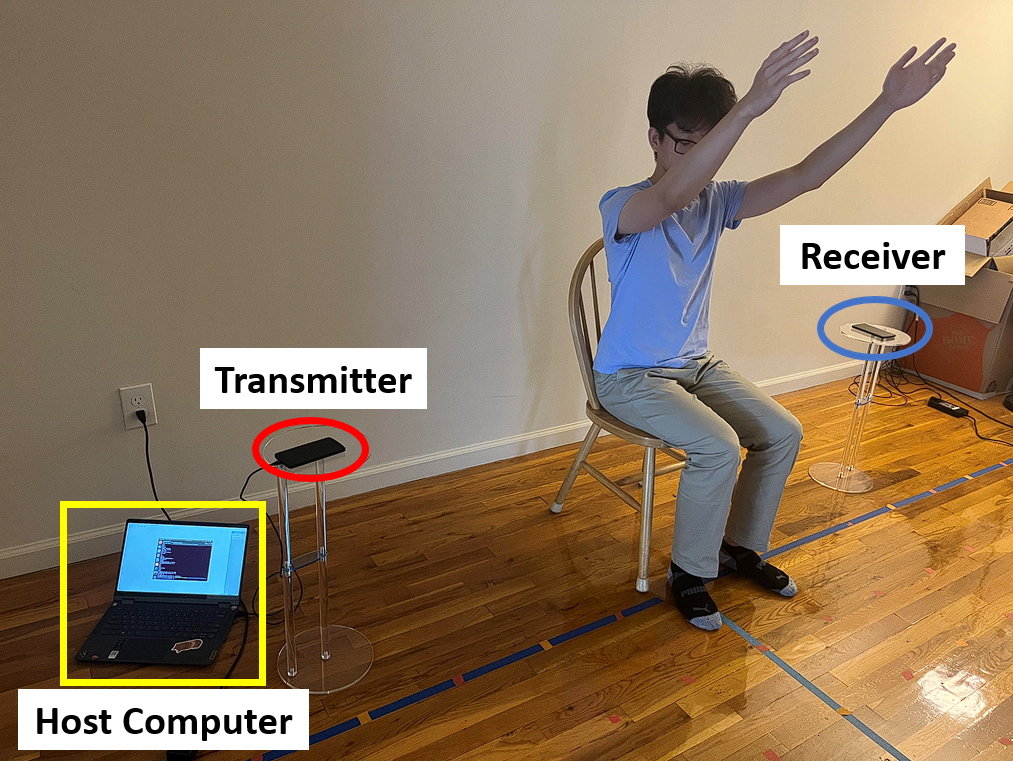
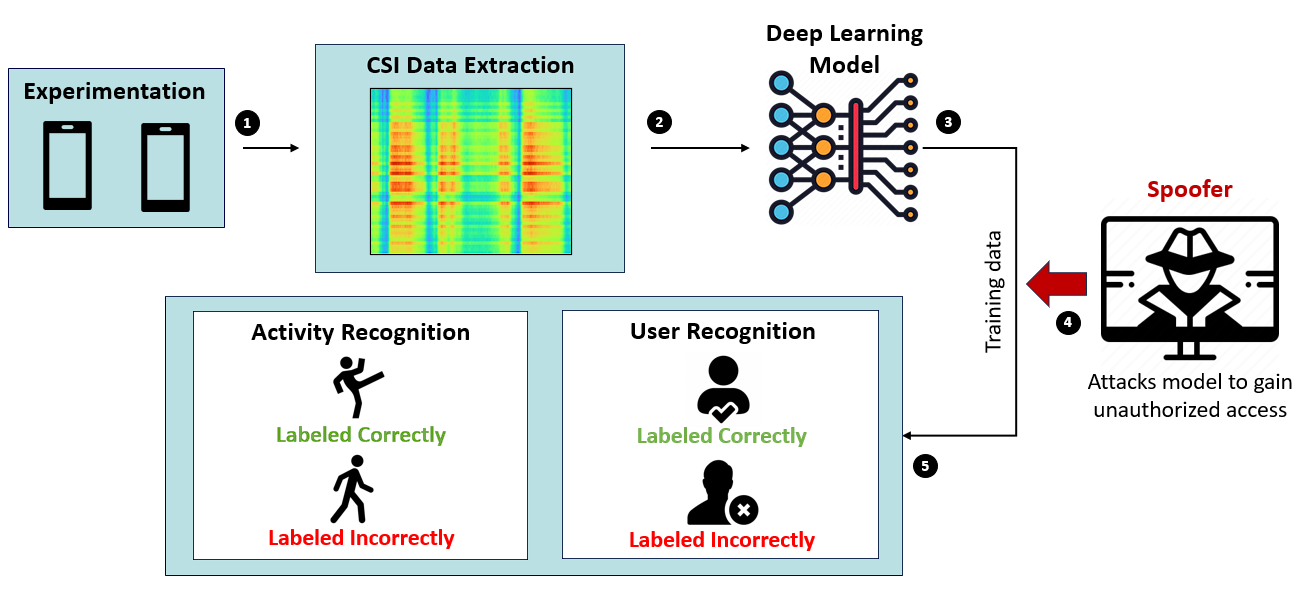
Artificial intelligence techniques have been widely integrated into mobile and IoT devices, enabling various functionalities based on vision (e.g., face recognition, speech recognition, and speaker identification). The extended pipeline of building deep neural networks (DNN) produces new attack surfaces, such as attacks during the data collection, model training, and model update stages. Recent research studies discovered an effective yet stealthy attack, called a backdoor attack, which trains a hidden trigger pattern into the DNNs. The backdoored DNNs will misclassify an input as an adversary-specified label if the trigger pattern appears, behaving normally otherwise, making it difficult to be detected. This project focuses on improving the security behind user authentication through conventional means (e.g., passwords and facial detection) by replacing it with a biometric signature in the form of daily activities. Following this implementation, the project aims to study the vulnerabilities of backdoor attacks on such a system and develop techniques for attack mitigation.
¶ Week 1
Summary
* Established project objectives
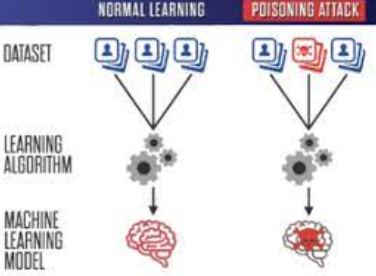
* Covered and reviewed background information on topics (adversarial attacks, backdoor attacks, etc.)
- Explaining and Harnassing Adversarial Examples
- Targeted Backdoor Attacks on Deep Learning Systems Using Data Poisoning
* Developed a plan of action for the upcoming weeks

Resources
Adversarial Attacks in Machine Learning: What They Are and How to Stop them
¶ Week 2
Summary
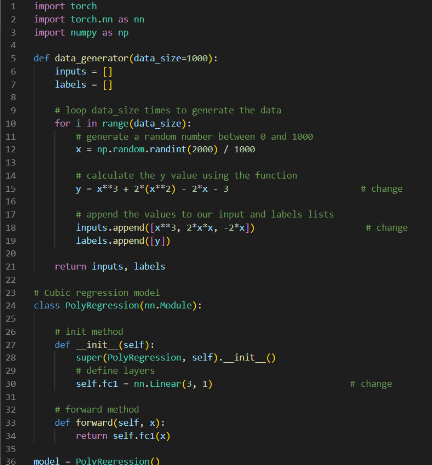
* Familiarized ourselves with PyTorch
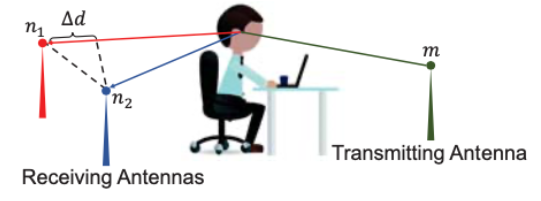
* Started researching papers about Smart User Authentication (WiFi-enabled IOT)
* Explored attack mitigation
Resources
¶ Week 3
Summary
* Continued learning advanced PyTorch functions for IoT interference data.
* Set up experiments to collect interference data from mobile devices
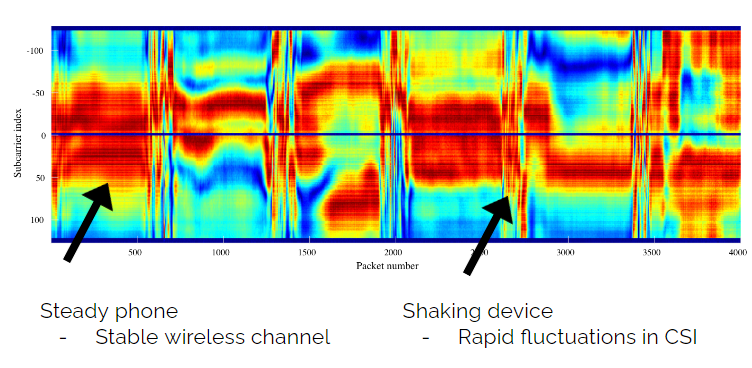
* Examined Channel State Information (CSI) Amplitudes
Resources
CSI Amplitude Fingerprinting for Indoor Localization with Dictionary Learning
¶ Week 4 + Week 5
Summary
* Set up Linux virtual machine through VirtualBox (Ubuntu)
* Familiarized ourselves with Linux Terminal
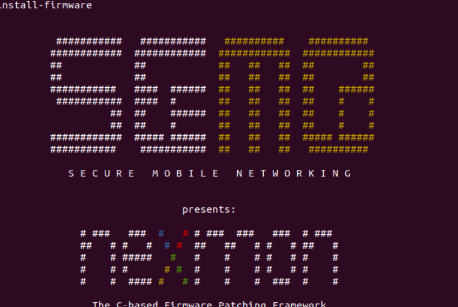
* Installed Nexmon (Channel State Information tool, Extract CSI from phone)
* Used Android Phones (Nexus 5 & Nexus 6) to perform experiments
Resources
Channel State Information Extraction on Various Broadcom Wi-Fi Chips
¶ Week 6
Summary
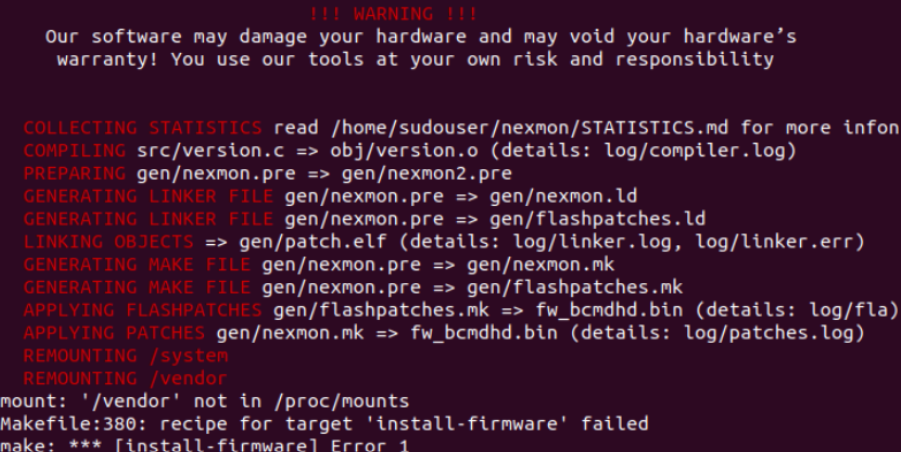
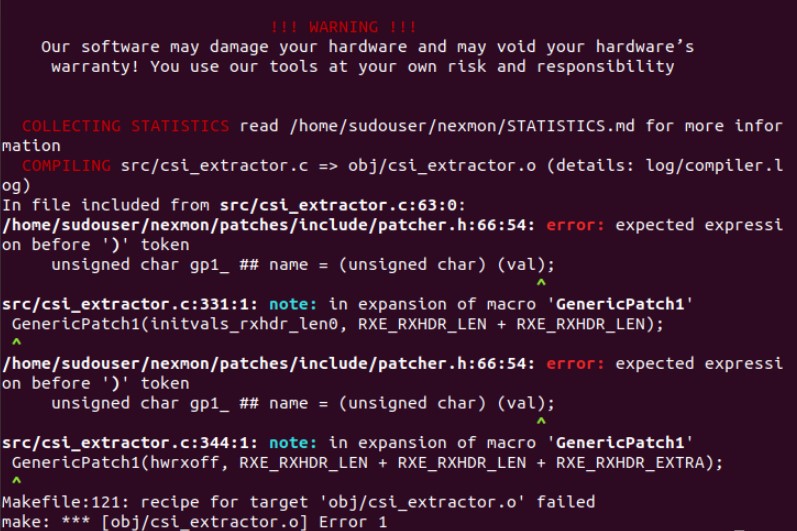
* Installed custom ROMs on both the Nexus 5 and Nexus 6
* Resolved Nexus 5 WiFi bug
* Installed suggested Android version for Nexus 6 to fix the issue with Nexmon firmware
Resources
Download Paranoid Android, Disclaimers, and Steps
How to Install Paranoid Android
¶ Week 7
Summary
* Obtained two extra Android phones (Nexus 4 + Nexus 5) through the courtesy of Ivan
- Determined that the Nexus 4 for incompatible with the Nexmon firmware
- Nexus 5 was incredibly buggy (i.e, the screen flickers and turns black when opening the home screen, successfully booting up every ~30 attempts)
* Setup up experiments with both Nexus 5's
- Ran into issues with buggy data collection
¶ Week 8
Summary
* Configured one Nexus 5 as a receiver for WiFi packets
- Setup an experiment with this phone and router
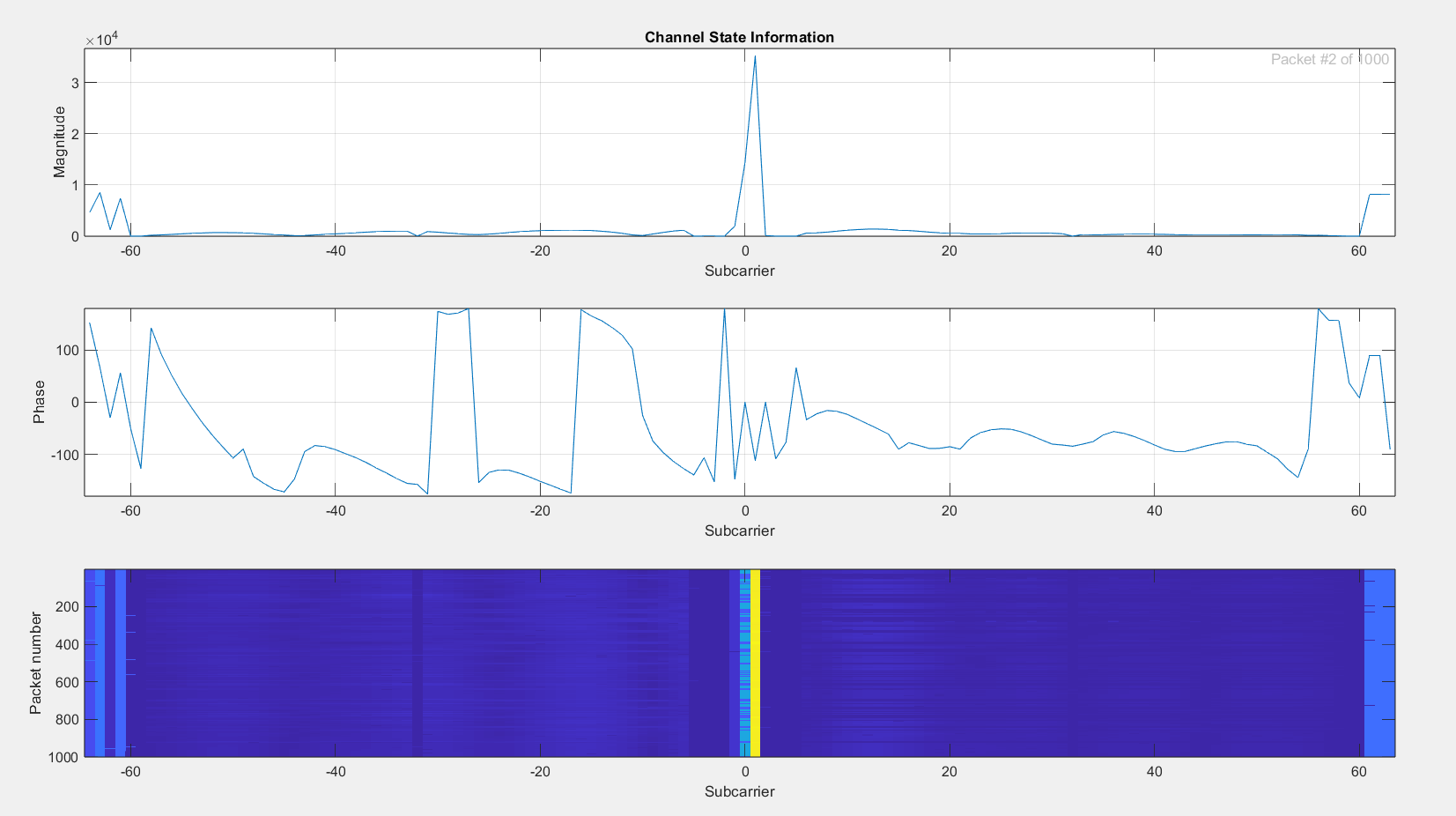
* Met with one of our mentors and received sample CSI data + more guidance on experimentation
* Received functioning Nexus 5 from Professor Chen
- Working on configuring this phone as a transmitter
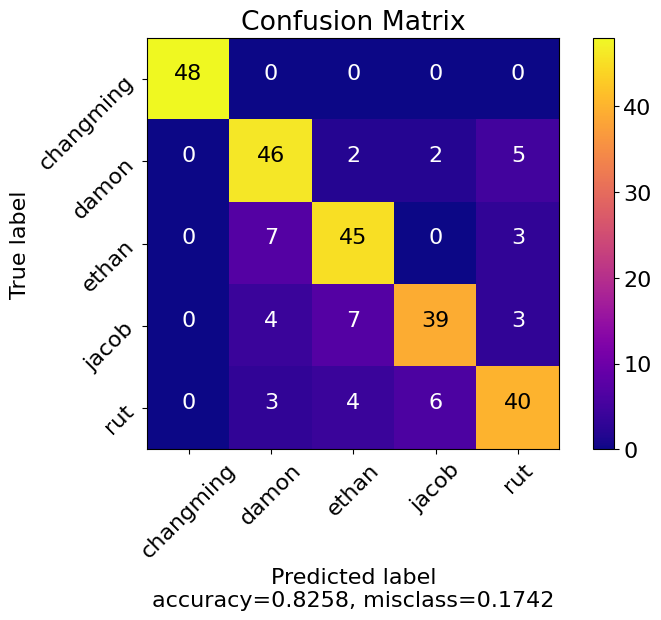
* Participated in an experiment conducted by one of our mentors
¶ Week 9
Summary
* Completed participation in mentor's experiment
[[Image(jacob_kick (1).gif, 500px)]]
* Started designing a final poster
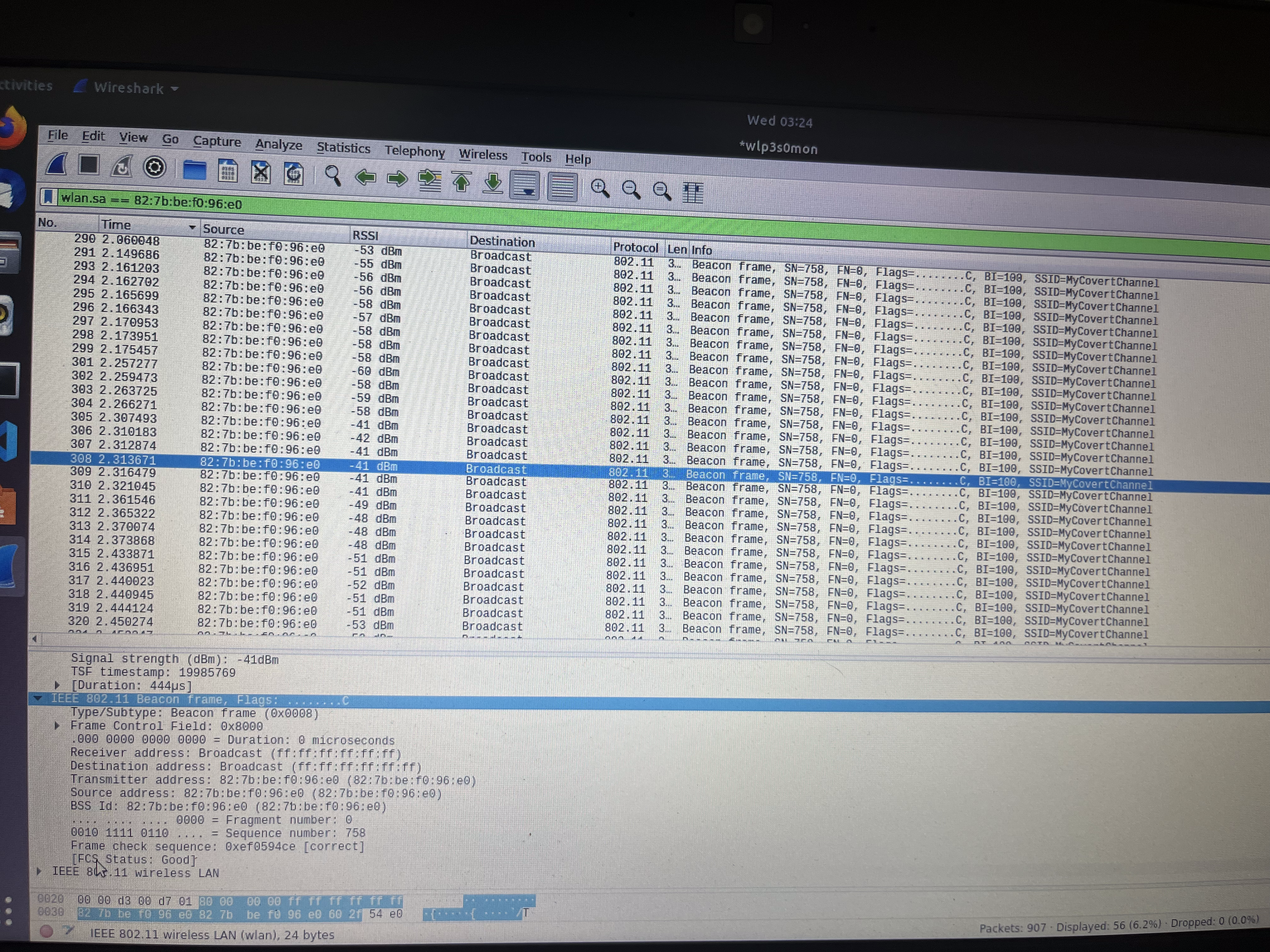
* Successfully configured transmitter phone and received sample packets
¶ Week 10
Summary
* Finalized the poster and presentation slides
- Created flow chart
* Rehearsed presenting the slides
* Wrapped up experiments